


No products in the cart.
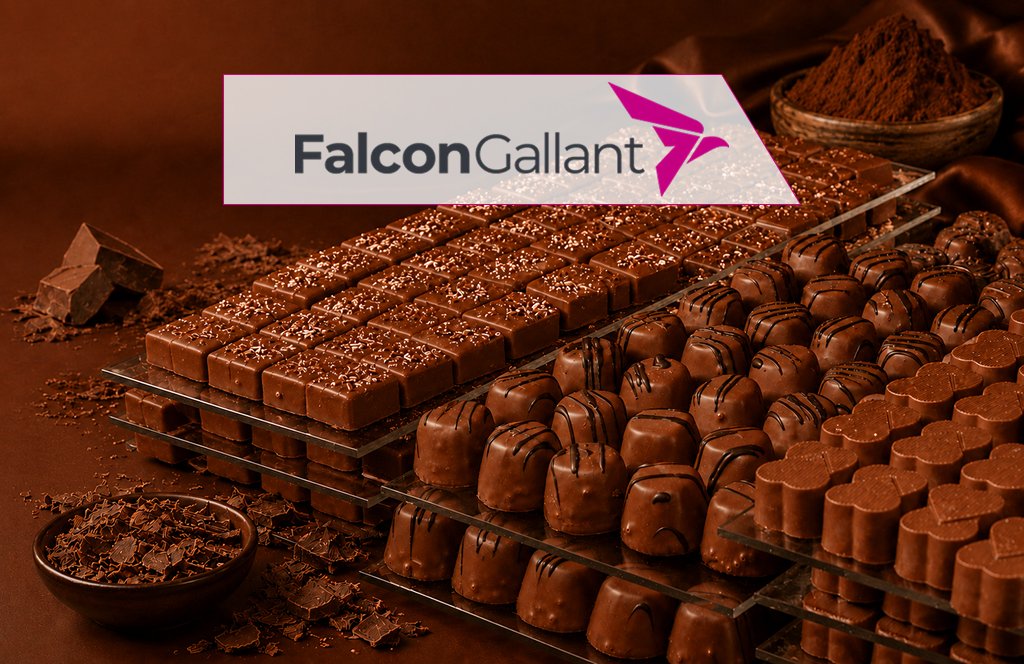
Spain sits at an intriguing crossroads in the European chocolate trade. For retailers, maintaining the right stock of confectionery is important to meet customer demand. If you are a retailer and want bulk products, you must connect with the right supplier for consistent product delivery to your consumers. This post is about what to consider when choosing a chocolate distributor in Spain.
Here’s what actually matters when making that call:
1. Food Safety Certifications Come First
The first step is to ensure the food safety certifications of a chocolate exporter. See, you can’t connect with any random supplier. At least you need to check some crucial certifications to ensure the safety and quality of their product. That will tell you that the company holds recognition from food safety authorities in Spain.
In the EU chocolate and cocoa trade, buyers commonly look for IFS (International Featured Standards), FSSC 22000, or BRCGS certification on manufacturing facilities. If you follow this exercise, it will assist you to know whether the supplier runs a functioning quality management system. A trusted one provides fresh, safe, and hygienic chocolates.
2. Traceability and Origin Documentation
In Spain, transparency becomes more important in the distribution of chocolates. It is largely because European regulation demands it. If someone wants to distribute chocolate in bulk in Spain, they need to comply with the EU Deforestation Regulation (EUDR), which is set to take effect for large and medium operators on 30 December 2026 (30 June 2027 for micro and small operators). This requirement is important to meet for cocoa to enter the European market. If the supplier can provide you documented proof of it. This means it has invested in proper supply chain management.
3. Certification Labels That Matter to Your Buyers
Another important factor to consider is evaluation of some of the important certification labels that matter to your buyers. See, there are basically two very important and recognized cocoa certifications in Europe. On the one hand, Rainforest Alliance certifies a large share of cocoa products. On the other hand, Fairtrade focuses on fair prices and better conditions for farmers. You can also check organic certification. It shows the supplier follows a minimum amount of organic ingredients and full traceability throughout the supply chain.
4. Product Range and Consistency
Check the range of chocolate products the supplier provides. Also ensure the size and flavors of the chocolate. You can know about the range of chocolate brands that the company deals with. The brands can be Ferrero, Milka, and snickers. Right suppliers deal with multiple brands so that their clients do not need to look for something else.
Falcon Gallant offers a range of chocolate brands in different sizes and flavors. They have branded chocolate brands, small-batch, single-origin bars with a story to tell. You can ask for the samples across multiple product runs. You can check the flavor, texture, and melting behavior. If they are consistent, that means it is a good sign to connect with.
5. Minimum Order Quantities and Delivery Terms
Different chocolate vendors require a minimum to maximum size for bulk orders. Make sure that the supplier you want to contact offers the order quantity that you require. You may require some kilos of product or may be in tons of it. Confirm this first before connecting.
Sometimes, smaller retailers want to purchase products for a few hundred euros, while others need higher amounts for bulk. Well-established brands accept minimum order quantities, while their delivery terms are transparent and safe. It helps retailers plan purchases confidently and avoid unexpected supply issues.
6. Reputation, Longevity, and References
In Spain, many leading chocolate brands have been in business for many years. Some are family-owned companies that have been operating for generations. Falcon Gallant is one of the leading companies that have been working for a long time. The supplier has maintained good products and service through changing market conditions. However, not every experienced supplier means better quality. That is why, before choosing, you can ask for references from their existing B2B customers, especially businesses similar to yours.
7. Pricing Transparency, Especially Around Certification Premiums
Cocoa prices have been volatile in recent years, and certified cocoa (organic, Fairtrade, or Rainforest Alliance) usually carries a premium over conventional cocoa. A trustworthy supplier should be able to break down what portion of the price reflects the base commodity cost versus the certification premium. If a supplier can’t or won’t explain their pricing structure. That is a transparency red flag worth talking about seriously.
Final Thought
Choosing the right chocolate supplier in Spain is about more than finding the lowest price. A reliable supplier should provide safe and high-quality products for their clients. That is one of the most important qualities. They must have clear certifications to show reliability and credibility in their distribution services. Even transparent pricing matters a lot. They should also offer a good range of chocolate brands and be able to meet your order requirements. This is what you can do to make a better business decision.
A trusted confectionery supplier supports your business with consistent stock. They must satisfy their customers and have fewer supply problems. Also ensure the supplier provides long-term support, not just one-time. This will help both supplier and retailer to grow their business.
FAQ
Q1. What certifications should a chocolate supplier in Spain have?
There are many important certifications that you look for. Check certifications like IFS, FSSC 22000, or BRCGS. If they have all these that means the exporter follows proper food safety and quality standards.
Q2. Why is traceability important when buying chocolate in Spain?
Traceability helps confirm where the cocoa comes from. This also shows the supplier follows European regulations and responsible sourcing practices.
Q3. Should I ask for chocolate samples before placing a bulk order?
Yes. Samples help you check the taste, texture, and quality. They must be consistent before making a large purchase or long-term agreement.