


No products in the cart.
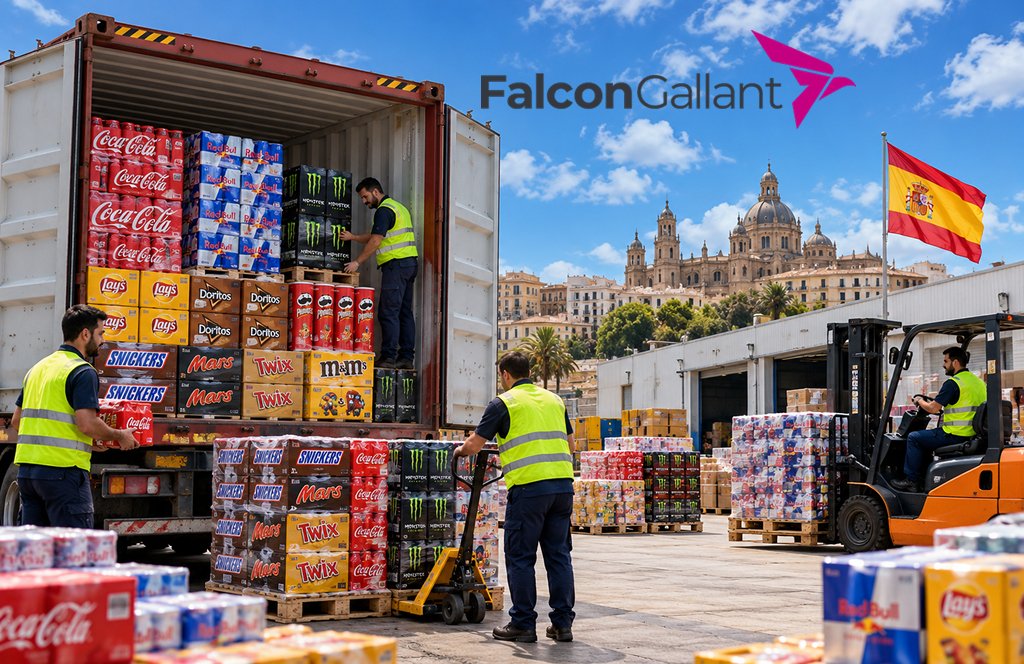
To verify whether an FMCG supplier in Spain is genuine, start with a few quick checks. First, verify their Spanish tax ID (the NIF, still often called CIF) and official business registration. Next, request valid lot numbers and product compliance certificates. Finally, test their logistics with a small sample order before committing to bulk purchases. In this post, we’ll discuss the essential checks you should perform, including company registration, product documentation, labelling laws, and more. This will help you safely vet Spanish suppliers and protect your supply chain.
What Separates a Genuine FMCG Supplier from a Reseller?
A genuine supplier is far more than a middleman reseller, even if their websites look identical at first glance. To select the right supplier, you should pay attention to the transparency of the information you receive from the company. Clear documentation and steady communication are usually the first signs you are dealing with the real thing.
A genuine FMCG supplier in Spain can tell you first-hand about their sourcing arrangements. They can walk you through how ordering and delivery work, and can trace a product back through its supply chain if asked. A reseller often has a hard time with specifics, because they don’t have control of the supply chain themselves. You won’t know which one you are dealing with just by price.
How to Verify a Spanish Supplier’s Company Registration
Start with the NIF. Every Spanish company has one, and older invoices may still call it the CIF. It is the same number. If the supplier trades across the EU, you can check their VAT number (ES followed by the NIF) on the EU VIES system. If it doesn’t show up there, don’t panic yet. VIES only lists companies registered for intra-EU trade. For domestic companies, search the name or NIF on the Registro Mercantil Central. If the name, address and NIF on the invoice don’t match the register, stop and ask why.
Documentation and Certifications to Ask For
Before you commit to volume, request the company’s details, product documentation, relevant commercial paperwork, and batch information. This is where food safety documentation and certifications that apply to your specific products and market come in.
- Certifications: BRCGS, IFS, Halal and Kosher
Not every FMCG wholesaler in Spain holds every certification. BRCGS and IFS are food safety management standards. Halal or Kosher certification depends on the product category and the buyer’s requirements. Instead of assuming that a blanket standard will cover everything, ask what certifications apply to your order.
- Labelling and EU Compliance
It is worth looking at product labels directly, not just trusting them. Check the ingredients, allergen details, batch code, best-before date and whether the label is in the right language for your destination market. Any supplier that can talk you through their labelling process without hesitation is generally one that takes it seriously.
How to Check Product Authenticity, Batch and Shelf Life
Authenticity checks are even more important when buying branded products in bulk, as the cost of making a mistake is higher. Check the packaging, the batch numbers printed on it and whether the best-before dates match what your supplier has told you. Compare that with their documentation. A mismatch between the paper and the physical product is a real red flag.
This is where a trusted FMCG wholesale supplier earns your confidence. They can trace a product back to the source, and verify the batch against the invoice, without having to chase the details.
The same goes for whether you’re looking for a confectionery supplier in Spain or comparing wholesale chocolate suppliers in Spain. Branded, shelf-life-sensitive products need the same scrutiny regardless of the category.
How Logistics and Customs Should Be Handled
A proper supplier should be clear on the logistics side of your order: delivery terms, realistic lead times, shipping arrangements and the export documentation actually needed. Not every supplier is able to handle customs clearance themselves and that’s fine, but the responsibilities of the buyer, the supplier and the logistics partner must be agreed upfront, not during the shipment.
This applies to beverages as well as food. If you are looking for an energy drink supplier in Spain, you should be asking the same logistics questions you would ask for any other FMCG category.
MOQ, Pricing Transparency and Lead Times
Check the full commercial terms, not just the unit price. The real cost of working with a supplier also depends on the MOQ, case quantities, delivery costs, payment terms and reorder conditions. Unclear terms rarely cause problems on day one. They cause problems three months in, when volume has scaled and the gaps in the original agreement start to matter.
Before you commit to a full order, place a small trial order. It shows you how the supplier handles packing, paperwork and delivery times when real stock is moving.
Why Choose Falcon Gallant for Bulk FMCG Products in Spain
Falcon Gallant is an FMCG distributor and supplier based in Madrid. We supply confectionery, snacks and beverages in bulk to retailers, importers and wholesalers across Spain, Europe, North Africa, the GCC and the Far East. We work with commercial customers sourcing and distributing FMCG, including bulk and wholesale needs that require planning rather than a one-time order. Our company covers a number of FMCG categories from confectionery and beverages to wider food lines, which makes us a practical FMCG food supplier in Spain. This enables buyers to consolidate sourcing into fewer supplier relationships as opposed to managing several separately.
Frequently Asked Questions
How do you check an FMCG supplier in Spain?
Verify product authenticity and batch traceability. Ask for documentation and verify company info before ordering. Ask about relevant certifications for your product. Ensure commercial terms (price, MOQs, delivery) are clearly defined and not left ambiguous.
What Documentation Does a Wholesale Supplier Provide?
This will vary depending on the product and transaction, but you should expect to see company information, commercial invoices, product specifications, batch information, relevant certification documents and shipping or export paperwork where applicable. If a supplier can’t supply these on request, it is worth asking questions.
What Certifications Should You Look for When Sourcing FMCG Goods?
Depends on the product, market and buyer. All of these certifications may be relevant , BRC, IFS, Halal or Kosher, but not all suppliers have them all. Don’t assume certifications are a standard set. Double-check the ones that are actually relevant to your specific order.
Can a Spanish FMCG supplier do the export paperwork?
Some suppliers will directly coordinate or support export documentation while others will expect the buyer or a logistics partner to handle parts of it. Responsibilities may differ depending on the supplier, the destination and the shipping arrangement so check this specifically before you place an order.
Final Thoughts
You want to check out a supplier before you send out the purchase order, not after something has gone wrong. Documentation and authenticity, batch and shelf-life checks, relevant certifications, transparent pricing, MOQ, lead times and logistics are all worth a look upfront. If you are considering FMCG sourcing for your business, it is well worth having a chat with Falcon Gallant directly about your specific needs.