

No products in the cart.
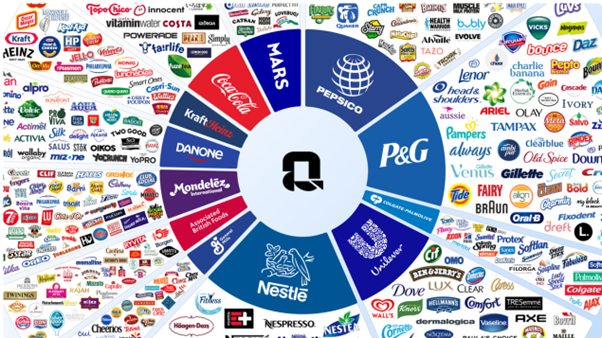
When you think about the products that make your daily life easier, the chances are that they come from FMCG companies. These are the businesses that create and deliver the everyday essentials people rely on, whether it is toothpaste and shampoo, or packaged food and soft drinks. The fast-moving consumer goods industry is one of the most important sectors in the world because it connects with billions of people every single day.
So, what are these FMCG companies? In simple terms, they are businesses that produce fast-moving consumer goods. These goods are items that people buy frequently, use quickly, and replace often. They are affordable, available almost everywhere, and form a crucial part of our routines. Think of your morning cup of coffee, or the snack you grab during a busy day, or even the detergent you use to wash clothes. All of these are examples of FMCG products. In fact, the FMCG sector contributes over $11 trillion annually to the global economy and remains one of the most stable industries, even in uncertain times.
From your morning coffee to the detergent used for laundry, FMCG products define how we live. Unlike luxury goods that are purchased occasionally, FMCG products are consumed daily, ensuring consistent demand and steady growth for manufacturers.
It is also useful to understand how FMCG compares with consumer packaged goods, or CPG. While both terms describe products people use regularly, FMCG typically refers to items that move off shelves quickly, while CPG can also include products that last a little longer. However, the difference is subtle, and in most cases, the two overlap. Still, most global FMCG companies operate across both categories.
Understanding Fast-Moving Consumer Goods (FMCG)
The FMCG sector is defined by a few key characteristics that separate it from other industries:
- High demand: Products are purchased in large volumes and on a regular basis.
- Low cost: Most items are affordable for almost every income level.
- Short shelf life: Goods are either perishable, like food, or consumed quickly, like personal care products.
FMCG vs Consumer Packaged Goods (CPG)
- FMCG → High turnover, consumed quickly (e.g., bottled water, snacks).
- CPG → Broader category, includes slower turnover goods (e.g., detergents lasting months).
Both overlap heavily, and multinational FMCG companies operate in both segments.
Role of FMCG in the Global Economy
- FMCG contributes trillions of dollars in annual revenue.
- Provides millions of jobs across manufacturing, packaging, distribution, and retail.
- Growth driven by urbanization, rising incomes, and changing lifestyles.
- Critical for governments (GDP & trade), businesses (stable revenue), and consumers (affordable essentials).
Key Categories of FMCG Products
The FMCG industry spans several product categories, each serving essential needs.
1. Food and Beverages
- The Food & Beverage segment represents about 45% of the global FMCG market.
- Includes snacks, dairy, packaged foods, soft drinks, and bottled water.
- Leaders: Nestlé, PepsiCo, Coca-Cola, Danone.
- Current trends: health-conscious foods, plant-based products, sugar-free beverages.
2. Personal Care and Beauty
- Includes skincare, shampoos, soaps, cosmetics, and deodorants.
- Leaders: Unilever, Procter & Gamble, L’Oréal.
- Growth driver: premiumization, self-care, and wellness focus.
3. Household Care and Cleaning
- Products: detergents, dishwashing liquids, surface cleaners.
- Leaders: Reckitt Benckiser, Unilever, Henkel.
- Growth accelerated post-COVID with increased hygiene awareness.
4. Healthcare and Pharmaceuticals
- Over-the-counter medicines, vitamins, supplements, and hygiene products.
- Leaders: Johnson & Johnson, GlaxoSmithKline.
- FMCG firms bridge healthcare and daily consumer needs.
5. Packaged Essentials
- Ready-to-eat meals, frozen foods, dairy, everyday staples.
- Leaders: ITC, Amul, General Mills.
- Convenience and urban lifestyles drive demand.
Top FMCG Companies and Brands Around the World
Nestlé continues to be one of the largest FMCG companies by revenue, with its portfolio covering everything from infant nutrition to coffee. Procter & Gamble remains dominant in personal and household care, while Coca-Cola and PepsiCo set global standards in beverages.
Best FMCG Companies Globally And Their Rankings By Revenue
| Company | Headquarters | Popular Brands | 2024 Revenue (approx.) |
|---|---|---|---|
| Nestlé | Switzerland | Nescafé, KitKat, Maggi | $103B |
| Procter & Gamble | USA | Pampers, Gillette, Tide | $84B |
| Unilever | UK/Netherlands | Dove, Surf, Lipton | $63B |
| PepsiCo | USA | Pepsi, Lay’s, Quaker | $91B |
| Coca-Cola | USA | Coca-Cola, Sprite, Fanta | $46B |
| Johnson & Johnson | USA | Band-Aid, Listerine, Neutrogena | $85B |
The Best FMCG Brands
- Colgate – oral care leader used in millions of homes.
- Dove – emotional branding with strong consumer loyalty.
- Nescafé – global coffee brand adapting to local tastes.
- Lay’s – consistent snack innovation across markets.
How Brands Succeed
A strong strategy is needed for any successful FMCG company. Success comes from a mix of quality, distribution, marketing, and adaptability. Companies that can anticipate consumer needs, whether it is a shift toward healthier products or sustainable packaging, usually end up ahead of the competition. For example –
- Unilever -uses its wide global reach while still tailoring its products for local tastes.
- Nestlé – focuses on innovation and adapts its products to match cultural preferences in different markets.
- PepsiCo – has expanded beyond soft drinks into snacks and nutrition-focused products, aligning itself with modern consumer priorities.
How FMCG Companies Manage Distribution, Supply Chain, and Packaging?
The backbone of any FMCG company lies in its ability to distribute products quickly and consistently. This is where distribution and supply chain come in handy.
1. Distribution Networks
Without strong distribution, even the best FMCG companies would struggle. Networks ensure products are available in urban supermarkets, local convenience stores, and rural outlets.
2. Supply Chain
A well-optimized supply chain is essential when it comes to efficiency and profitability. FMCG supply chains today are becoming more advanced with the use of digital tools, real-time tracking, and AI-based demand forecasting. These innovations help companies respond quickly to changing consumer needs.
3. Packaging Solutions
Packaging has evolved beyond functionality. Today, it is about sustainability, branding, and consumer convenience. Many FMCG manufacturers are experimenting with biodegradable and recyclable options to align with global sustainability goals.
How FMCG Companies are Driving Emerging Trends and Sustainability?
The FMCG sector never stands still. Consumer expectations and market conditions constantly push companies to evolve.
1. Sustainability
Sustainability is now a priority for global FMCG companies. From reducing plastic waste to ensuring ethical sourcing, brands are working to balance profitability with responsibility. Unilever has made a strong commitment to eco-friendly packaging, while Coca-Cola is investing heavily in recycling initiatives.
2. E-Commerce and Digital Growth
The rise of e-commerce has completely changed FMCG distribution. Consumers are now just as likely to order groceries online as they are to walk into a store. Quick-commerce platforms such as Blinkit and Instacart are making FMCG products even more accessible. By 2030, ~40% of FMCG sales are expected online (PwC report).
3. Personalization
Another emerging trend is personalization. FMCG brands are always finding new ways to make consumers feel understood and valued with methods such as subscription services, customized product recommendations, or region-specific flavours.
FMCG Companies in Europe and Spain
The European FMCG sector is one of the most mature and competitive markets in the world, home to some of the largest FMCG companies globally. Europe accounts for a significant share of global FMCG revenues, with strong demand across categories such as food & beverages, personal care, and household products.
Leading FMCG Companies in Europe
- Nestlé (Switzerland) – The world’s largest FMCG company by revenue, with iconic brands like Nescafé, KitKat, and Maggi.
- Unilever (UK/Netherlands) – A global leader in personal care, household products, and packaged foods with brands such as Dove, Surf, and Lipton.
- Danone (France) – Specializes in dairy, bottled water, and nutrition products, with a strong footprint in Europe and emerging markets.
- Henkel (Germany) – Known for adhesives, detergents, and personal care brands like Persil and Schwarzkopf.
FMCG Companies in Spain
Spain has a thriving FMCG sector driven by both multinational corporations and strong local players. Some key names include:
- Mercadona – Spain’s largest retailer, playing a pivotal role in distributing FMCG products nationwide.
- Nestlé España – Operates with a strong presence in packaged food, beverages, and nutrition.
- Danone España – Well-known for dairy and plant-based products.
- Mahou-San Miguel – Leading Spanish FMCG brand in beverages (beer and soft drinks).
The FMCG companies in Spain are highly consumer-focused, emphasizing affordability, local tastes, and sustainability. Growth is being driven by rising demand for eco-friendly packaging, digital-first shopping, and health-oriented FMCG products.
Conclusion
FMCG companies are more than just businesses selling everyday goods. They shape consumer habits, create trusted brands, and influence global economies. From food and beverages to healthcare and household care, the FMCG companies set the tone for the industry.
Names like Nestlé, Unilever continue to lead, while newer players are making their mark through innovation and sustainability. The future of the FMCG sector will be shaped by how well companies adapt to digital growth, meet sustainability goals, and offer personalized experiences to consumers.
Ultimately, what makes FMCG companies so essential is their ability to stay connected with people on a daily basis. Every purchase, every household, and every routine reflects the importance of fast-moving consumer goods, and that is why this industry will always remain central to how we live and consume.
At Falcon Gallant, we help businesses in the FMCG sector adapt to these changes, embrace innovation, and expand their market presence. If you’re looking to refine your FMCG strategy or explore growth opportunities, contact us today to get started.
FAQs
1. How are FMCG companies different from CPG companies?
Fast-Moving Consumer Goods are a subset of Consumer Packaged Goods (CPG). The key difference is that FMCGs have a faster turnover, lower cost, and shorter shelf life compared to broader CPG categories.
2. What trends are shaping the future of FMCG?
Key trends include sustainable packaging, eco-friendly products, digital-first strategies, e-commerce adoption, and personalized consumer experiences.
3. How do FMCG companies ensure efficient distribution?
FMCG companies rely on strong distribution networks, advanced supply chain systems, and innovative packaging solutions to ensure products reach retailers and consumers quickly.
4. Which FMCG company has the highest revenue?
Currently, Nestlé and Procter & Gamble rank among the top FMCG companies by revenue, with sales in the tens of billions of dollars annually.
5. What is the role of packaging in FMCG success?
Packaging not only protects the product but also enhances shelf appeal, extends shelf life, ensures sustainability, and improves logistics efficiency.